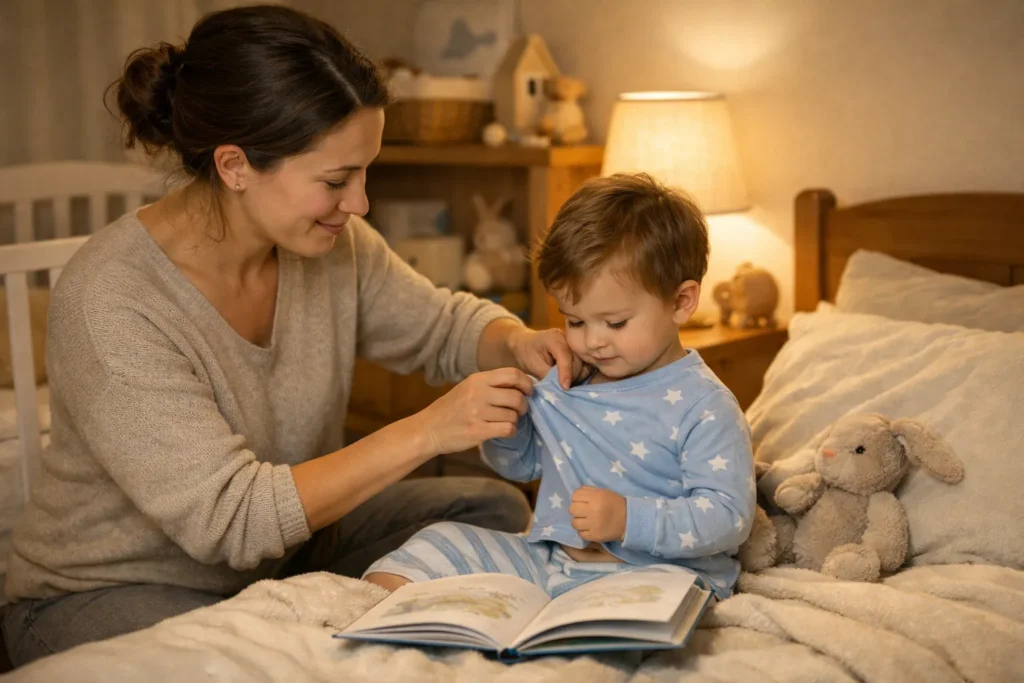
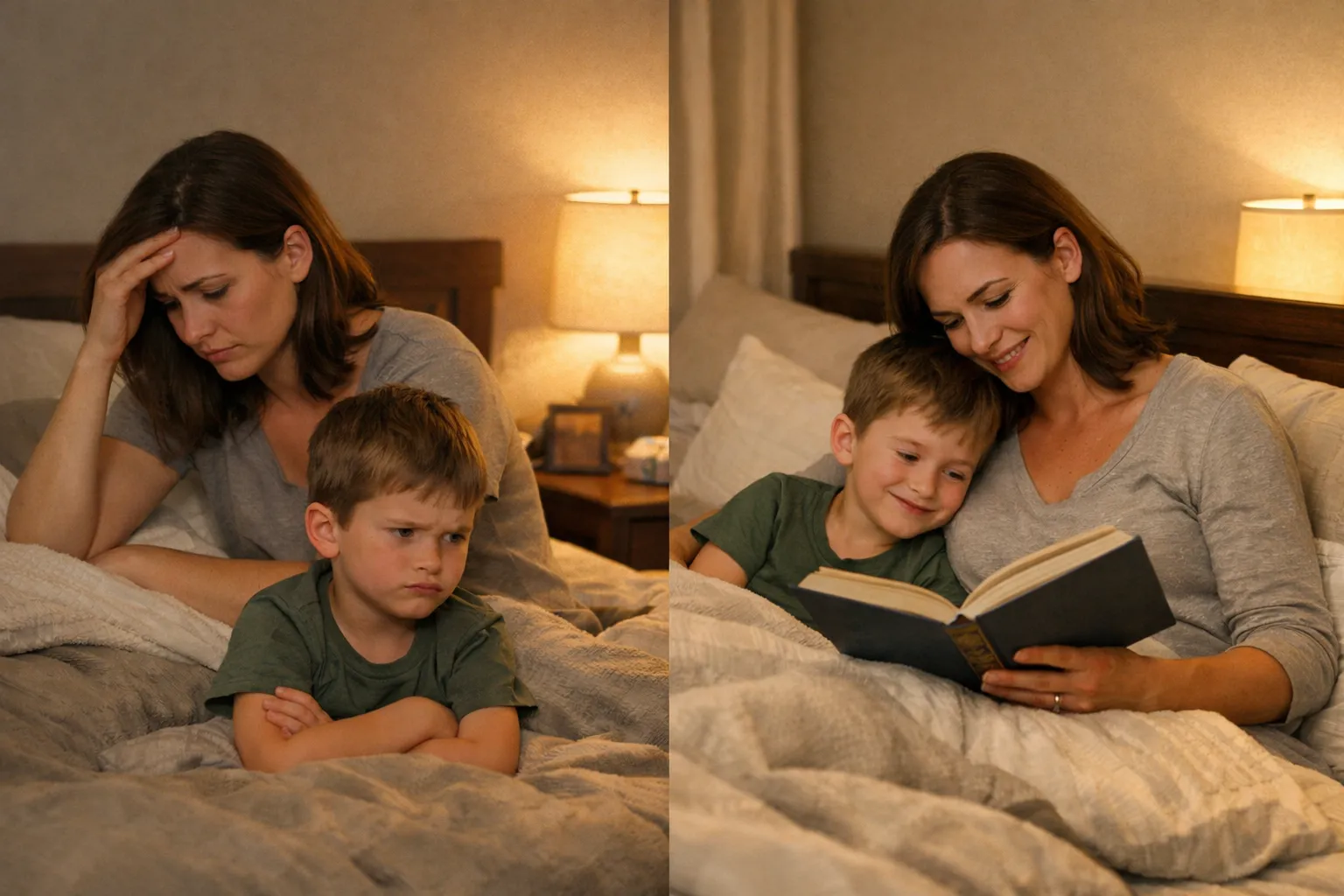
Understanding why kids resist bedtime can take a lot of pressure off the end of the day. When a child suddenly gets silly, stalls, asks for one more snack, or melts down at lights-out, it can feel personal. But why kids resist bedtime is usually not about defiance for the sake of it. It is often a mix of overstimulation, big feelings, hard transitions, fear of missing out, and routines that do not feel predictable enough. Once parents see the pattern, bedtime becomes less of a battle and more of a cue for calm.
Why kids resist bedtime is usually because their brains and bodies are having a hard time shifting from active daytime mode into rest mode.
Why kids resist bedtime in the first place
There are many reasons why kids resist bedtime, and they often stack on top of one another. A child may be overtired, which can make them more wired instead of sleepy. They may also be overstimulated from screens, noise, busy play, or a packed afternoon.
Transitions are another big one. Children often struggle to stop something they enjoy, especially when bedtime means leaving play, leaving parents, or leaving the comfort of the day behind. Some kids also worry about missing out on family time or being alone in the dark. For many families, why kids resist bedtime changes from night to night, but the root cause is usually that the shift feels too abrupt.
Consistency matters too. If bedtime moves around a lot, or the steps before sleep change every evening, a child may not know what to expect. That uncertainty can show up as stalling, clinginess, or refusal. To better understand bedtime behavior, parents can also look at guidance from trusted resources like HealthyChildren.org and PBS Parents.
What parents can do instead of battling bedtime
When you are trying to solve why kids resist bedtime, the goal is not to force sleep. The goal is to lower the friction around sleep. That starts earlier in the evening, before your child is overtired. A calmer bedtime begins with a predictable wind-down period, fewer choices, and a slower pace.
Try to keep your language simple and steady. Instead of repeating warnings, move through the routine with confidence. Children often resist less when they can see what comes next. If bedtime has become tense, it can help to reduce negotiation. Too many questions at the end of the night can accidentally turn bedtime into a second round of decision-making.
It also helps to notice what is happening right before resistance starts. Is your child hungry? Overtired? Energized by screens? Missing connection after a busy day? Once you know the most likely trigger, you can respond with a fix that fits the need, not just the behavior.
Routines that make bedtime feel safer
A predictable routine is one of the most practical answers to why kids resist bedtime. Children feel more secure when bedtime follows the same general rhythm each night. The exact order does not have to be perfect, but it should be familiar enough that your child can anticipate what comes next.
Many families find success with a simple sequence: clean up, pajamas, bathroom, brush teeth, one quiet activity, then lights out. Keeping the routine short and steady often works better than adding lots of extras. If your child likes choices, offer limited ones that do not change the end goal, such as choosing between two pajamas or two bedtime books.
Visual cues can also help. A picture chart, a timer, or a familiar phrase can make the routine easier to follow. If you are already building bedtime habits, the KidWhispers homepage can be a helpful place to explore gentle storytelling as part of your evening rhythm.
For some children, the hardest part of why kids resist bedtime is not the sleep itself but the uncertainty around it. A routine acts like a bridge. It tells the child, step by step, that the day is ending in a safe and familiar way.
How stories can help children shift into sleep
One of the gentlest tools for why kids resist bedtime is storytime. A bedtime story creates a shared pause, gives the child your full attention, and helps the body slow down. The right story can become a cue that bedtime is near, which is especially helpful for children who need time to transition.
Personalized stories can make that cue even stronger. When a child sees themselves as the star of the story, the experience feels more engaging and reassuring. At KidWhispers, personalized storybooks use Real-Me™ technology so the child is the true star in both the text and the illustrations. That makes the wind-down feel personal, familiar, and emotionally warm.
This can be especially helpful for children who resist bedtime because they want one more moment of connection. A personalized bedtime story says, in effect, “You are here, you are safe, and now it is time to rest.” For many families, that small shift can change the tone of the entire evening.
If your child gets excited at bedtime because they love being part of the story, that is not a problem. It can actually work in your favor. When the story is calming and predictable, it becomes a positive marker that the day is ending well. In that way, why kids resist bedtime becomes easier to manage because the bedtime cue itself feels rewarding rather than abrupt.
What to say when your child pushes back
The words parents use can either increase stress or lower it. When why kids resist bedtime is showing up as arguing or stalling, it helps to keep your response short, warm, and consistent. Long explanations often lead to more debate, especially when a child is already tired.
You might try phrases like, “I know you want to keep playing. It is bedtime now, and we will read one story,” or “You are safe, and I will see you in the morning.” These statements acknowledge the feeling without opening a new negotiation. They also reinforce the boundary in a calm way.
It can be tempting to keep extending bedtime to avoid tears, but consistency usually helps more in the long run. If the routine changes every time a child protests, they learn that resistance may lead to more delays. A steady response shows them that bedtime is firm, expected, and not up for repeated discussion.
Signs the bedtime issue may need a closer look
Sometimes why kids resist bedtime is tied to a deeper issue than routine alone. A child who consistently seems anxious, has extreme trouble settling, or experiences frequent nighttime fears may need extra support. In some cases, the challenge may be related to sleep environment, daytime stress, or another concern that deserves attention.
Parents should pay attention to patterns that feel bigger than normal stalling. If bedtime resistance is intense, long-lasting, or affecting the whole family, it may be worth reviewing routines, sleep timing, and overall stress levels. Keeping a brief note of what happens before bedtime can help you spot patterns without guessing every night.
That does not mean something is wrong with your child. It simply means the bedtime problem may need a more tailored approach. Often, small changes in timing, connection, or routine can make a noticeable difference over time.
A calmer bedtime starts with a better cue
If you are still wondering why kids resist bedtime, the most helpful answer is often this: bedtime goes better when the child feels prepared for it. Predictability, connection, and a gentle transition matter a lot. A strong routine and a soothing story can turn the end of the day into something that feels safe instead of sudden.
For families who want bedtime to feel more personal, KidWhispers can be a meaningful part of that transition. Personalized stories give children a familiar, comforting cue that it is time to slow down, snuggle in, and rest. If that sounds like what your evenings need, explore KidWhispers pricing to see how Whisper Coins can turn bedtime into a calmer, more magical ritual.
Frequently asked questions
Why do kids resist bedtime even when they seem tired?
Because overtired children can become more wired, emotional, or silly instead of sleepy. Resistance often comes from a hard transition, not a lack of fatigue.
Is bedtime resistance normal?
Yes, many children resist bedtime at times. The behavior is usually connected to routine changes, overstimulation, separation worries, or wanting more connection.
Should I stay in the room until my child falls asleep?
That depends on your child and your goals. Some children do better with gradual support, while others respond well to a clear, consistent goodnight routine.
Can a bedtime story really help?
Yes. A calm, predictable story can signal that the day is ending and help your child shift into rest mode. Personalized stories can make that cue even more comforting.