The benefits of reading to children show up in small, everyday moments: a bigger vocabulary at breakfast, calmer energy at bedtime, more questions during the day, and a little more closeness when the book closes. For many families, the simple habit of reading aloud becomes one of the most comforting parts of the evening because it gives children something steady to look forward to and gives parents a few quiet, connected minutes together.
The benefits of reading to children every day include stronger language growth, better attention, deeper bonding, and a more predictable bedtime routine. It can also help children settle emotionally, especially when storytime becomes a familiar part of the night.
When parents ask what really matters most, the answer is often consistency. You do not need the perfect voice, a long book, or a flawless routine. The benefits of reading to children come from showing up, page after page, in a way that feels warm and repeatable.
How the benefits of reading to children support language growth
One of the clearest benefits of reading to children is language development. Children hear words in stories that they may not hear in ordinary conversation. They also hear those words in full sentences, with rhythm, repetition, and context that help meaning click into place.
That matters because children learn language by listening, noticing, and trying words out for themselves. When you read aloud, you are not just entertaining them. You are showing them how language works. They begin to recognize familiar phrases, connect pictures with words, and absorb the sounds of speech in a low-pressure way.
Picture books are especially helpful because they slow language down. The illustrations give children clues, and the repeated text helps them anticipate what comes next. That sense of predictability is one of the reasons the benefits of reading to children are so powerful for early learning. A child may hear a word several times in one story and start using it in their own conversations later.
Reading also supports listening skills. When a child follows a story from beginning to end, they practice paying attention, remembering details, and connecting events. These are everyday learning skills, not just reading skills. They matter in preschool, in school, and in ordinary family life.
For parents who want more ideas on building a steady bedtime habit, KidWhispers also explores sleep-friendly routines in does reading help children sleep.
Why the benefits of reading to children make family connection stronger
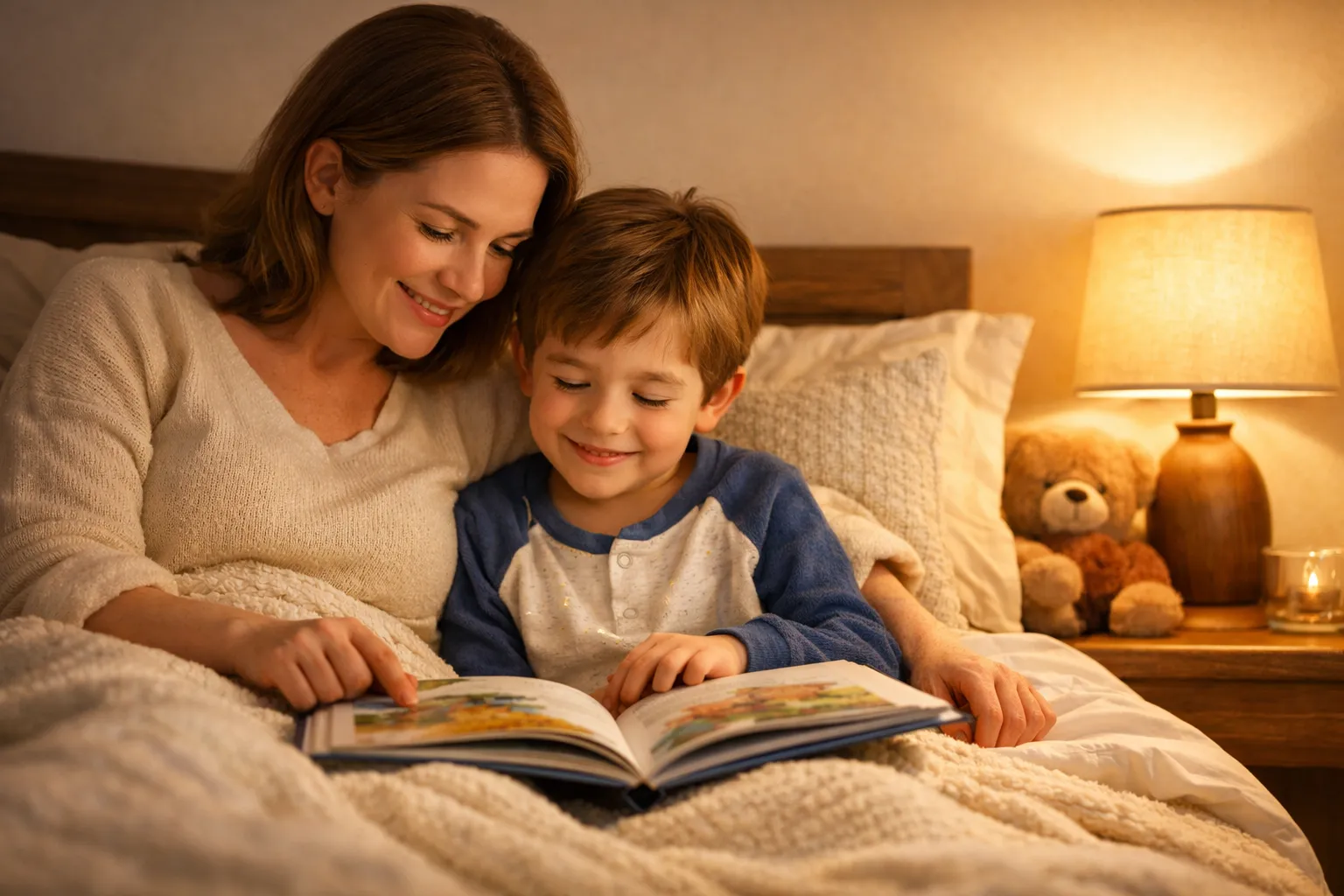
The benefits of reading to children are not only about learning. They are also about relationship. Reading together creates a shared rhythm that helps children feel safe, seen, and included. When you sit side by side with a book, you are offering focused attention in a world that often feels busy and distracting.
Children notice that attention. They notice when a parent slows down, listens to their comments, and makes time for one more page. That feeling of being prioritized can become just as meaningful as the story itself. Over time, storytime may become a small daily ritual that strengthens trust and closeness.
Reading can also open the door to conversation. A child may point to a character, ask a question, or relate something in the book to their own experience. Those moments help children feel comfortable sharing thoughts and feelings. In that way, the benefits of reading to children extend well beyond the page and into everyday communication.
Some families find that the best part of reading aloud is not even finishing the book. It is the pause before lights out, the snuggle under the blanket, the repeated favorite story, or the silly question a child asks on page three. These moments add up. They become memories children carry long after the bedtime routine changes.
If you are curious about how reading can fit into a broader family routine, the PBS Parents site offers practical ideas for shared reading and everyday learning.
How the benefits of reading to children can make bedtime calmer
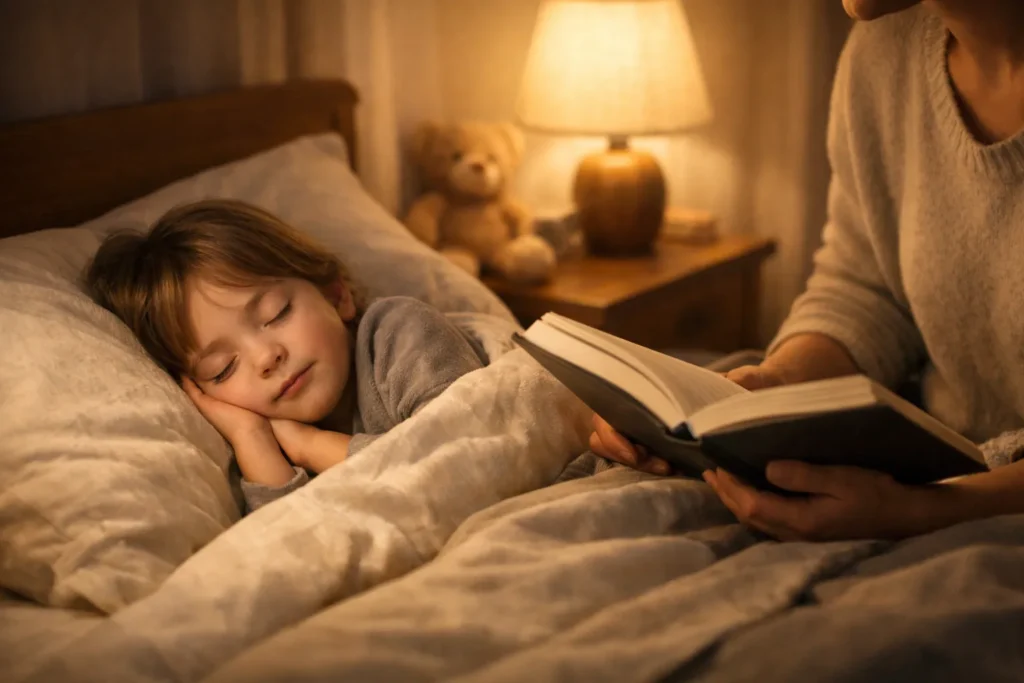
Many parents notice that the benefits of reading to children are especially clear at night. Storytime gives the evening a clear shape. It helps children move from active play to a quieter state, and it creates a dependable signal that the day is winding down.
Predictability matters at bedtime. Children often do better when they know what comes next, and reading can become that calming bridge between busy daytime energy and sleep. A familiar book, a steady voice, and the same cozy setting night after night can help bedtime feel less abrupt and less emotional.
This is one reason reading is so often part of sleep routines. It slows the pace. It reduces overstimulation. It gives the child a chance to focus on one simple, comforting activity instead of rushing through another high-energy moment before bed. For many families, the benefits of reading to children are not about making sleep happen instantly. They are about creating a more peaceful transition.
It can also help parents. Reading offers a structured moment to sit together, reconnect, and end the day with fewer demands. Even if the day felt chaotic, storytime can become the one part of the evening that feels gentle and repeatable.
For more on this topic, KidWhispers shares a practical look at bedtime reading in does reading help children sleep.
Personalized stories make reading feel even more meaningful
Another one of the most memorable benefits of reading to children is how engaged children become when they feel included in the story. Personalized books can make that connection even stronger because the child is not just reading about someone else’s adventure. They are seeing themselves as the main character.
That sense of recognition can be powerful. Children often light up when they hear their name in a story or see familiar details reflected in the illustrations. It can make reading feel more exciting, more personal, and more worth returning to again and again.
This is where KidWhispers fits naturally into the reading routine. Our personalized children’s storybooks use Real-Me™ technology to create Exact Human Likeness, so the child becomes the true star in both the text and the illustrations. The result is a more immersive reading experience that feels close, memorable, and emotionally engaging. For many families, that extra level of personalization helps the benefits of reading to children feel even more meaningful.
Personalized stories can also help reluctant readers or children who are slow to warm up to books. When a child feels personally connected to the story, they may be more willing to sit still, listen closely, and ask for repeat readings. That repetition matters, because repeat reading is often where language, confidence, and comfort grow.
If you want to explore how personalized storybooks work, you can learn more about the process on our pricing page.
What a simple nightly routine can look like
The benefits of reading to children are easiest to keep when storytime is simple. A nightly routine does not need to be elaborate. In fact, the best routines are usually the easiest to repeat.
A calm bedtime reading habit might look like this: brush teeth, choose one book, get under a blanket, read together, and finish with a hug or goodnight phrase. The exact steps do not matter as much as the consistency. When children know what to expect, they can settle more easily into the routine.
Here are a few ways to make reading part of the evening without adding stress:
- Keep a small stack of favorite books near the bed.
- Let your child choose between two options when possible.
- Read at the same time each night if you can.
- Pause to ask simple questions or talk about the pictures.
- Re-read favorite stories instead of always choosing something new.
Families sometimes worry that they need to be more creative or more educational every single night. But the benefits of reading to children often come from repetition and comfort, not pressure. A familiar book read in a loving voice may be more valuable than a more complicated routine that never quite sticks.
For simple pediatric guidance on creating healthy nighttime habits, the HealthyChildren.org site from the American Academy of Pediatrics is a helpful resource for parents.
How to choose books that keep children interested
If you want the benefits of reading to children to last, choose books that match your child’s interests and attention span. Some children love rhymes, some prefer animals, some want adventure, and some want the same beloved story every single night.
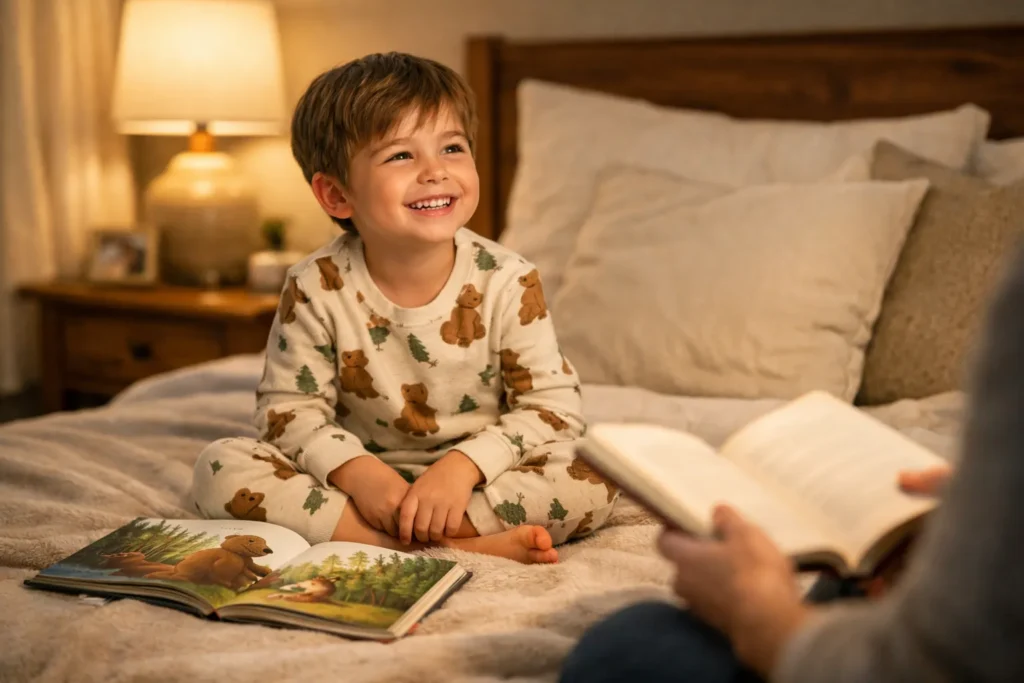
It can help to pay attention to what your child reacts to most. Do they point to pictures? Do they laugh at playful words? Do they ask to hear a story again and again? These clues can guide your book choices and make reading feel less like a task and more like a shared pleasure.
Personalized books can be especially helpful here because they naturally spark curiosity. When children see themselves in the story, they often become more eager to listen. That deeper engagement can make the benefits of reading to children easier to notice in daily life, from better attention during storytime to more enthusiastic conversation afterward.
It also helps to keep expectations realistic. Not every reading session will be calm and perfectly focused. Some nights your child will wiggle. Some nights they will interrupt. Some nights they will want to hear the same page five times. That is all normal. The habit still counts, and the benefits of reading to children still build over time.
Frequently asked questions
How long should I read to my child each day?
There is no single perfect amount. Even a short daily reading habit can be valuable if it is consistent. The goal is to make reading feel familiar, comforting, and part of your family rhythm.
What age should I start reading to my child?
You can start very early. Babies benefit from hearing your voice, seeing pictures, and being held close during storytime. As children grow, the reading habit can grow with them.
What if my child wants the same book every night?
That is completely normal. Repeated reading can support language learning, comfort, and confidence. If your child loves the same book, lean into it.
Can personalized books help reluctant readers?
Yes, they often can. When a child sees themselves in the story, reading may feel more relevant and enjoyable. That can make it easier to stay engaged and look forward to storytime.
Make storytime a habit that grows with your child
The benefits of reading to children build through simple repetition, warmth, and presence. You do not need to do everything perfectly. You just need a book, a few quiet minutes, and a routine that your child can recognize and enjoy.
If you are ready to make storytime more personal, KidWhispers can help you turn reading into something your child truly sees themselves in. Explore personalized storybooks at KidWhispers and create a bedtime routine that feels meaningful, calming, and unforgettable.